Love it or hate it, the Pacific Northwest rain is something we suffer through in Vancouver, and eventually all long-term Vancouverites will bitch about it. It’s the heavy grey clouds that sit just above tree top height for days at a time, pissing out huge volumes of frigid, lumpy water, turning the local woods into swampland.
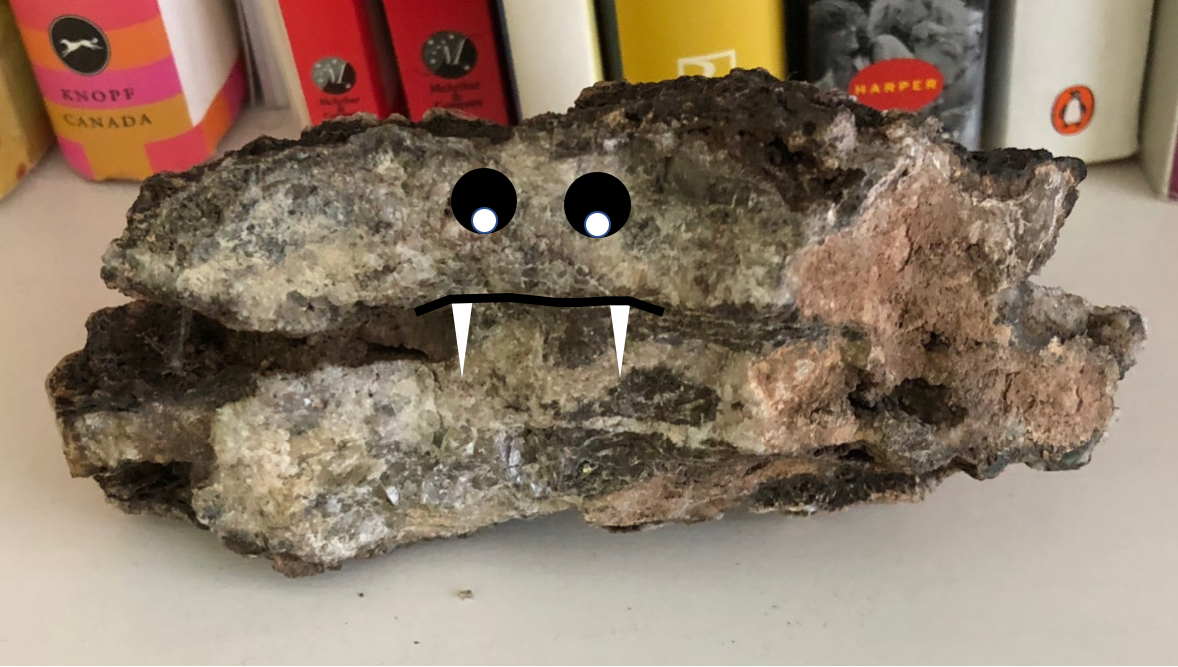
Rock is remarkable stuff. It lets you know when it’s not happy, and like the best of us, it gets stressed from time to time. When it gets very wound up, it won’t shut up until something finally happens to calm it down, which is usually not a good thing for us humans. Ask San Francisco.
Piss off. I’m not happy.
I’m Stressed. Go Away.
The rock was yapping away to itself late last year in northwest England, at a fracking site near Blackpool. Cuadrilla, a hydrocarbon explorer, had just restarted its operations after being shut down for a while by the regulators because of an increase in seismicity near the drill site.
In the
mid-1990s I spent the best of a year in the province of West Azerbaijan in northern
Iran, based in the small farming town of Takab. The area, about a day’s drive
from Tehran, is populated largely by Turkic and Kurdish people and Zoroastrianism is still practiced there. The day-to-day
language is Turkish. Rural and fairly remote, life for the villagers goes on as
it has for thousands of years.
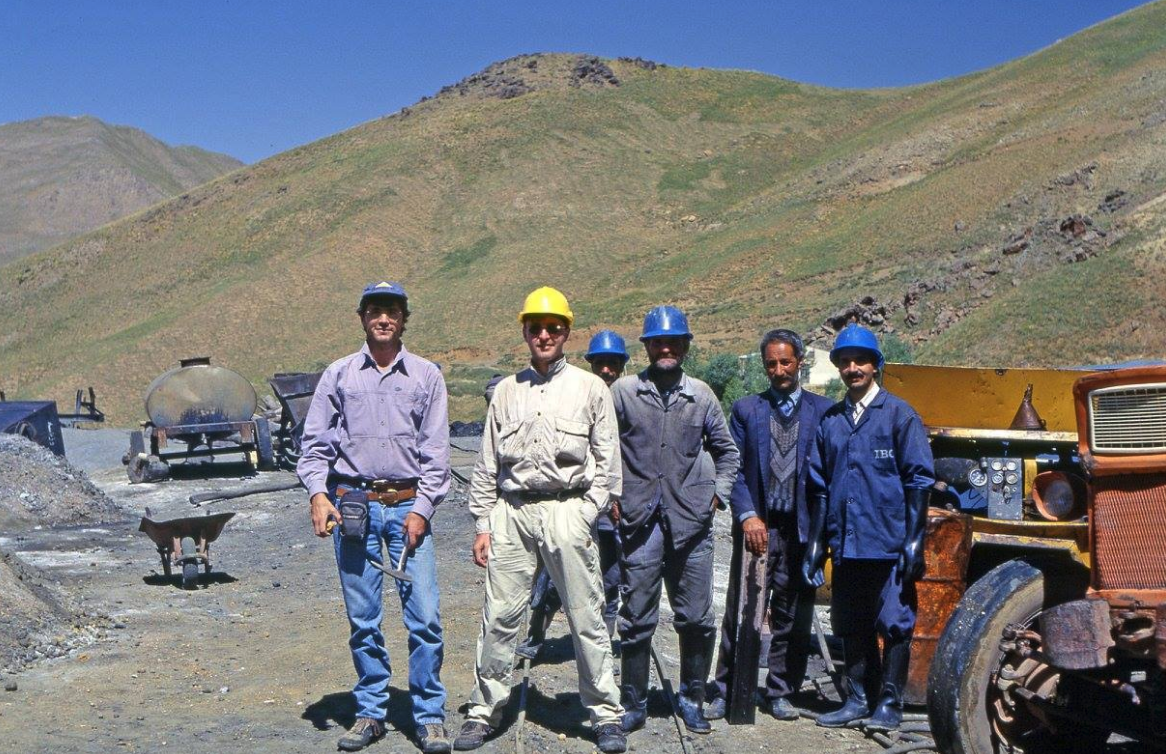
Me (left) at 33.
I was
running an exploration program at a project called Zarshuran (“the place of the
gold washing”) working a 6 weeks in / 2 weeks out rotation with Budapest as my
home base.
The routine
in Iran was pretty simple. Get up. Eat breakfast: flatbread with honey, eggs and
yoghurt. Spend the day at the project. Come back to the Hotel Ranji in Takab.
Eat dinner: chicken or beef kebab, yoghurt and grilled tomato. Sleep. Repeat
for 6 weeks.
One day in
1996 or ‘97 my daily routine was pleasantly interrupted when a Dutch traveller
turned up at the hotel. In Iran for his friend’s wedding, he was on his way to
visit an archeological site near Takab: Tahkt –e Soleyman (the name means
Prison of Solomon and legend holds that King Solomon used to imprison monsters there.)
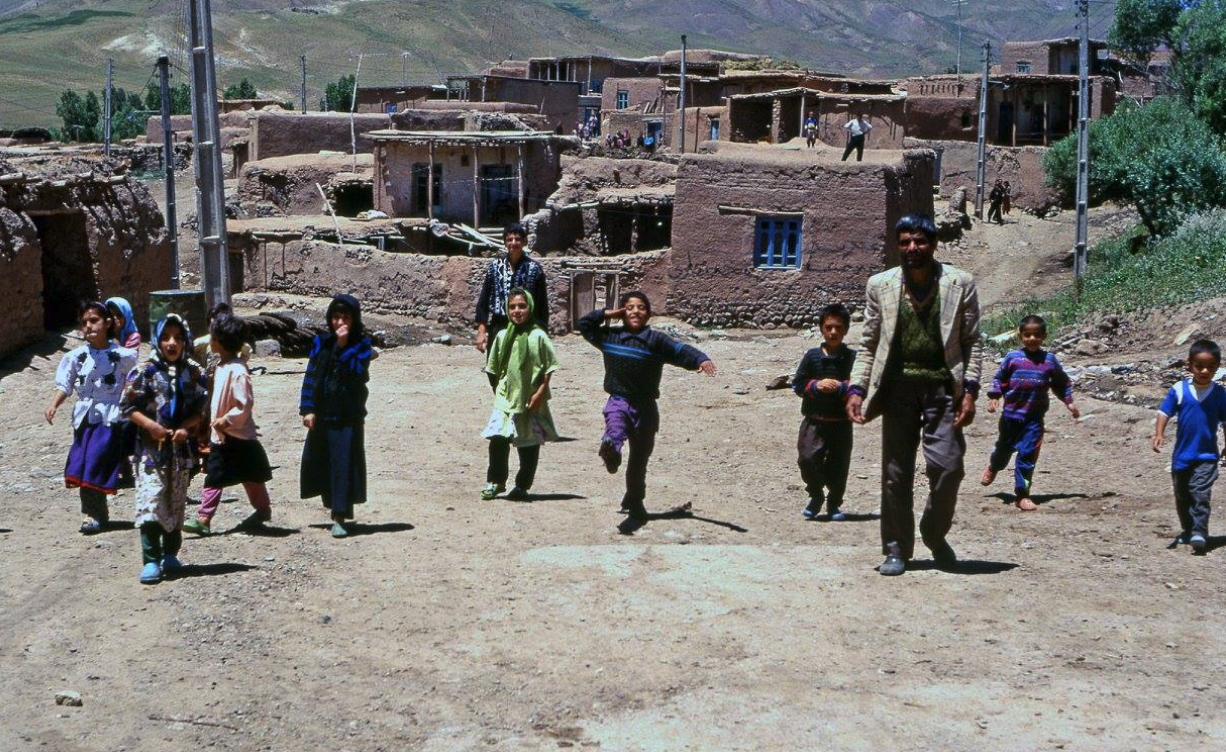
Zarshuran village, northern Iran
In need of
English-speaking company, I persuaded him to travel to my project for the day.
It was a 45 minute drive from Takab through small farming villages where he got
a chance meet the locals and photograph the hard-scrabble life of Iranian subsistence
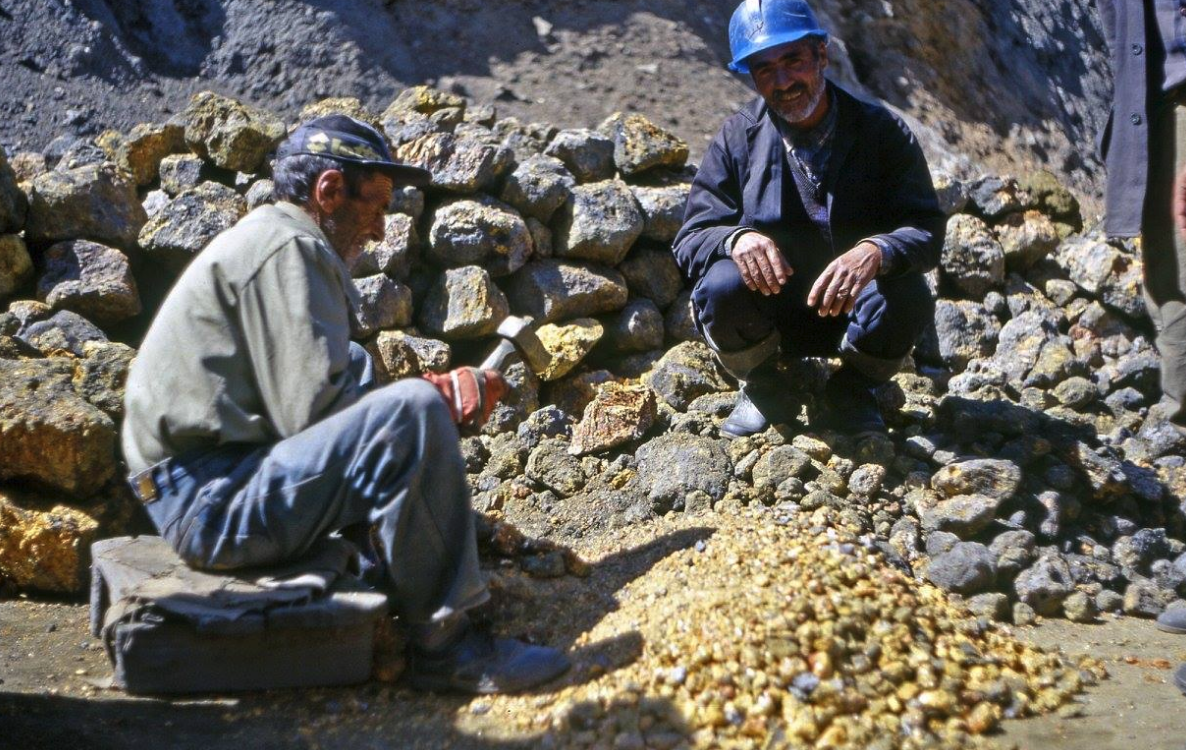
farmers. As a bonus, I took him underground at a small but spectacular arsenic
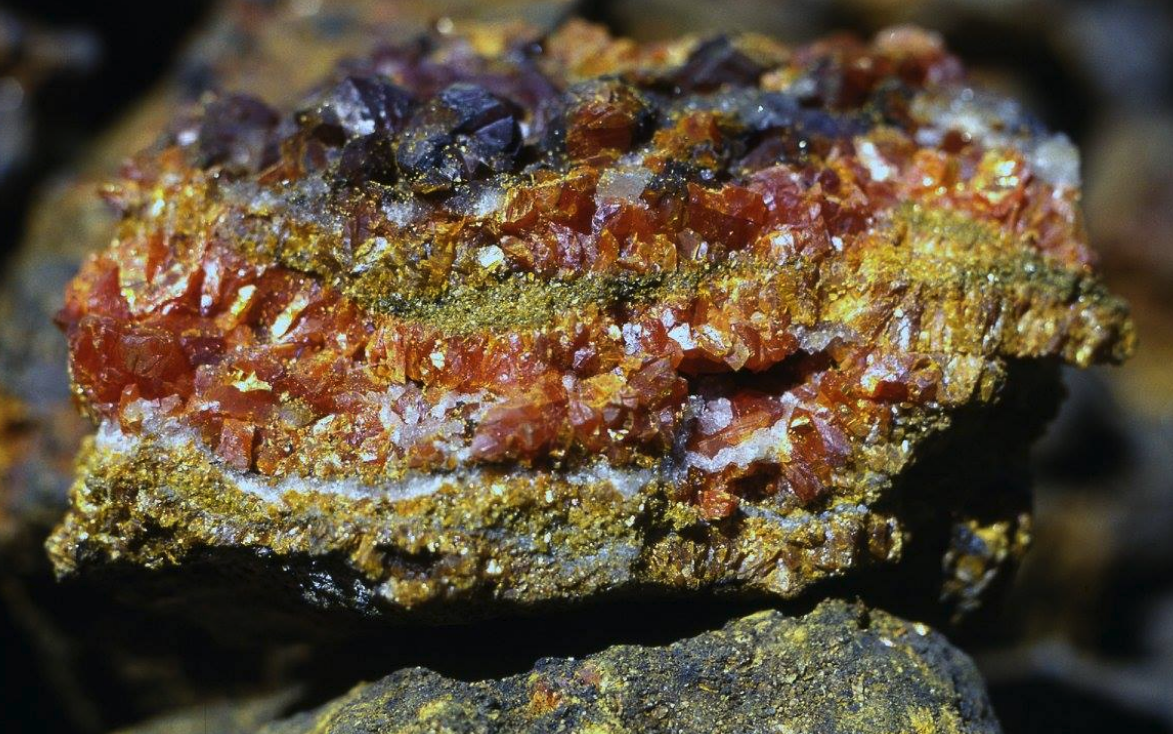
mine to collect world-class samples of bright yellow orpiment (arsenic sulphide) from the ore pile.
Orpiment: Arsenic Sulphide
Twenty
years later, out of the blue, I got an email from him. He’d tracked me down on-line
using an old business card I’d given him during his visit. And attached were 20
scanned photos from his day on the project which he said was the highlight of
his trip to Iran. I was totally blown away. All the photos I’d taken at the
project were of rocks, drills, and general technical stuff with a few scenery
snaps thrown in. But here were photos of me, at 33 years old, looking vaguely
like a geologist on a day I’d long since forgotten about… being all earth
sciencey and authoritative at the Zarshuran project, which is now Iran’s
biggest gold mine.
Every second Tuesday, starting in September, I
join a small group of elite singers… Look, can I be honest for a moment? We’re so
good we could all have successful music careers if we hadn’t decided to take
ordinary jobs, no really… sorry I digress.
Where was I? Oh yes… Every second Tuesday we
meet at a local church for an hour to practice Gregorian chant led by our
lovely choirmaster, Colleen. It’s a wonderful but short lived opportunity to
slip away from the shitness of the Trumpian world into a bygone era of Latin plainsong,
pillaging, gout and rampant Plague.
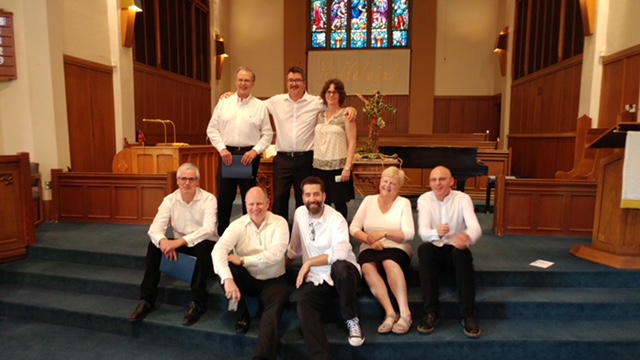
As elite a bunch of singers as you could hope to meet.
If you’ve never explored the world of monophonic music, I highly recommend dipping a toe or two in. The origins of so many modern hymns, film soundtracks and great classical pieces are hiding there in plain (sorry) sight. For the choral duffer, it’s an easy place to start your singing career because it uses simple-ish, unharmonised melodies sung in the same register by the whole choir. Although plain song structure is usually complicated by a lack of time signature so regular practice is needed to nail down the commonly used melodic / rhythmic patterns.
The Dies Irae (Day of
Rage) is one of the most famous themes. Well over a thousand years old, it’s
popped up all over the place down the centuries. In the 20th Century
it was written into Mike Oldfield’s Tubular Bells, and some of the music from
the Star Wars movies. Genesis used it in Attack of the Giant Hogweed (yes that’s
a real song). Here’s
an interesting vignette from Canada’s CBC on how Dies Irae has influenced
modern and ancient music.
Despite the apparent simplicity of most plain
song, the more you work at it, the more you realise why only Monks have ever
really nailed it. They’re the only ones with enough time on their hands to put
in the hours needed to make it sound great. A typical day in the life of
Brother Francis …Wake up at 4am. Practice the liturgy in plain song. Fast. Bit
more practice from 8-10am. Confession. Practice liturgy. Fast again while
confessing. Practice. And so on, interspersed with some chicken feeding and
gardening till midnight when they wind up another hard day with more plain song
before bed washed down with an invigorating cup of hot water. Musical
perfection ensues.
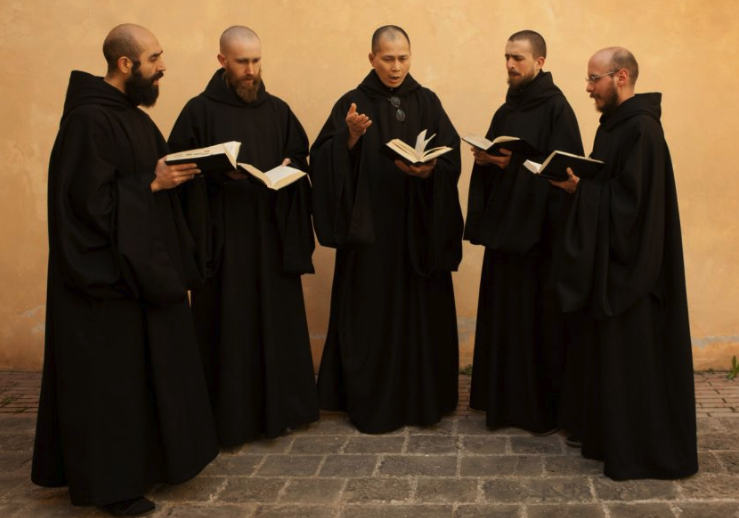
Look, Gregory, I’m telling you there’s a pause at the end of Quod sum causa tuæ viæ