I promised myself I wouldn’t get political or overly preachy on UrbanCrows. I’m trying to write about stuff that I find interesting or that strikes me as quirky. And I’m trying hard to keep it engaging. The last thing we need in our lives is another soap box site banging on about domestic or national politics. Having said that…
ThisProportional Representation (PR) referendum is driving me bat-shit crazy.
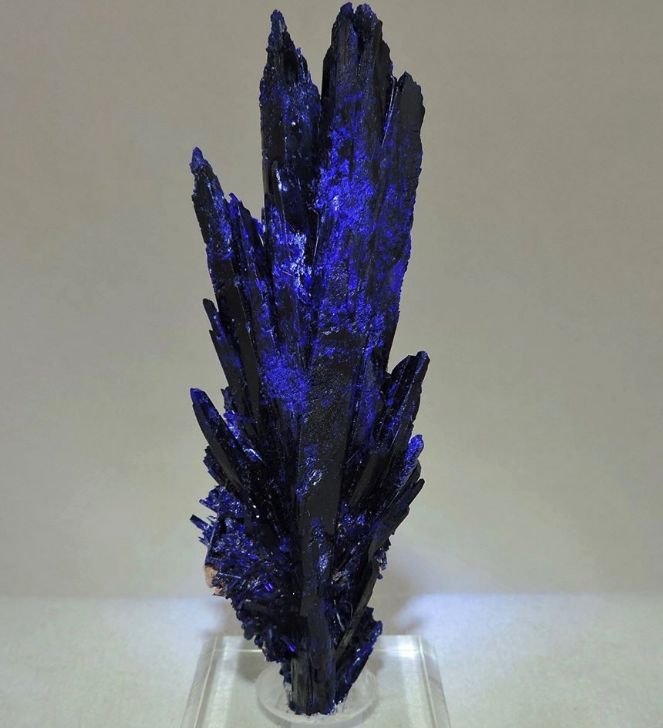
I’m still in love with Azurite. I met her on-line and now I can’t let her go. Just the other day she sent me another full length body shot, mounted no less. Apparently she comes from Morocco. Oh my giddy aunt. I’m going to have to sit down.
Don’t tell anyone, but I think you’re hot. From Amazing Geologist.
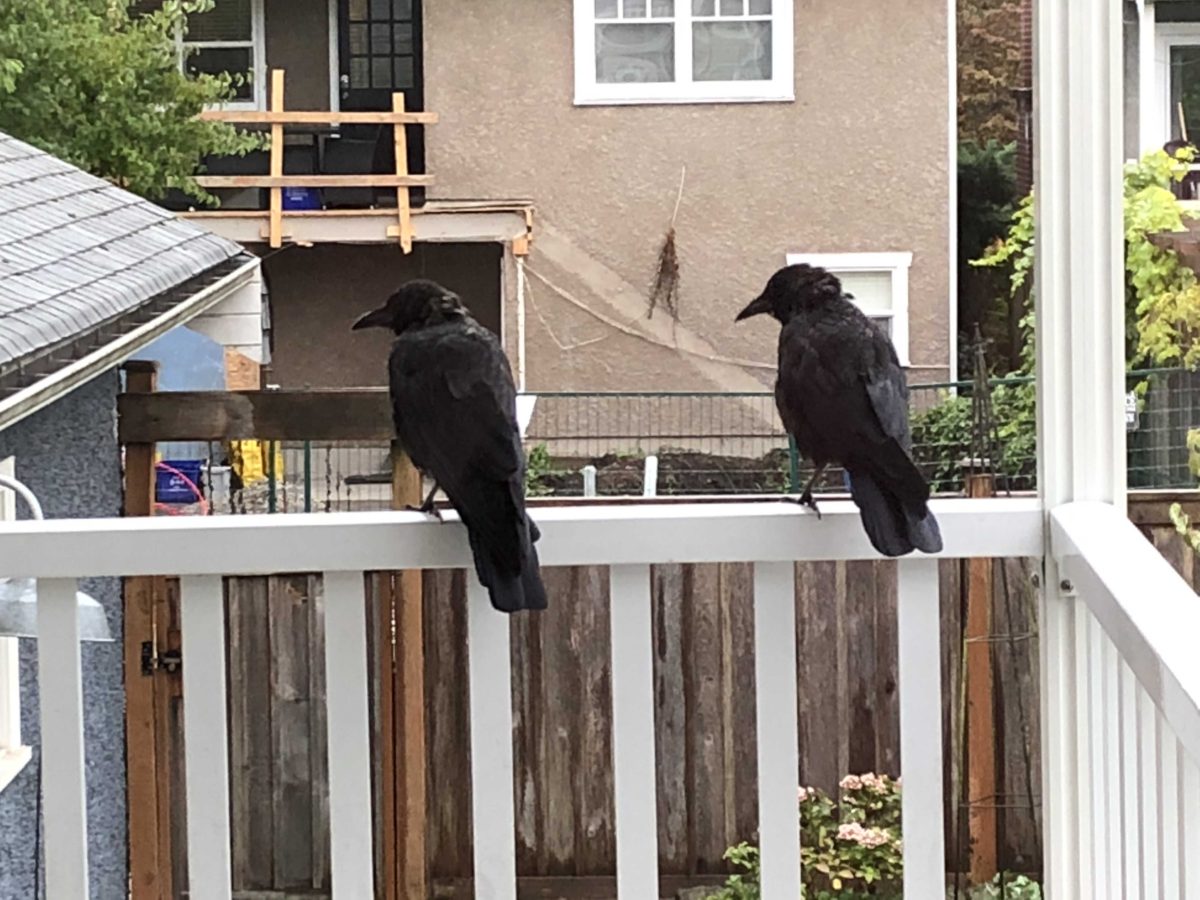
Not even the Chinese. Now, hold on.. before you get all upset with me for stereotyping, I got that comment from my personal banker at CIBC who’s Chinese-Canadian. In fact, what she said was:
“We (the Chinese) eat nearly anything that moves, but not crows. I wonder why that is? Maybe because they’re black or maybe they’re unlucky.”
Have you noticed, there’s been something happening because of the amazing autumn weather recently? Sunny, but misty in the morning, so it’s been quite damp early in the day. If you’ve taken a walk in Pacific Spirit Park or any of the local forests, you’ve probably noticed the incredible explosion of mushrooms everywhere. They’re on fallen logs, tree stumps, absolutely everywhere. Even the dog turds along the paths have sprouted white hairy beards.
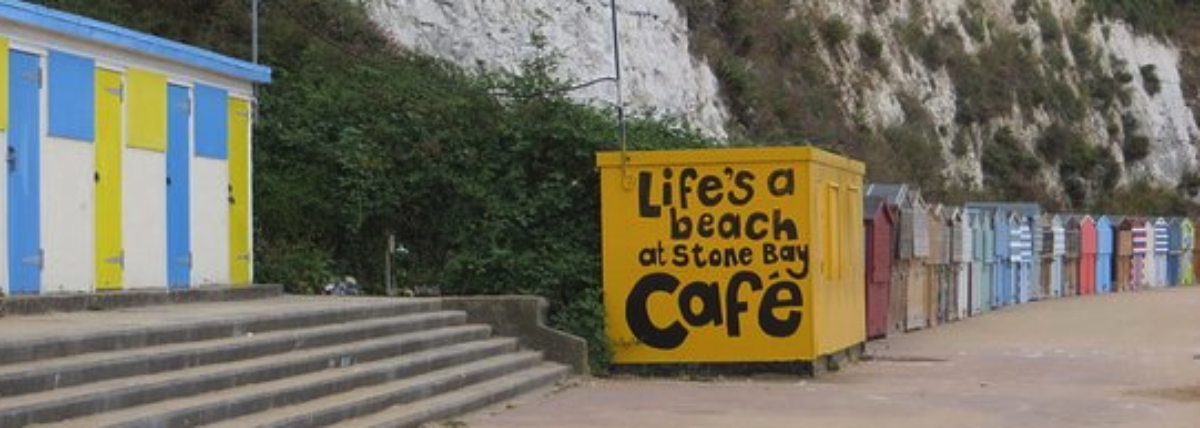
That old chestnut of a joke got me thinking about place name puns and jokes. We learned some goodies when I was a kid at my Hogwarts-style boys only grammar school in Kent. Most of them for some reason involve wives and exotic locations, channeling the teller’s deep-seated desire to see the wife travel a long way away perhaps? Ah hem… moving on.
I-hate-soccer time has arrived early this year. An old friend, it normally knocks on my door in late November when we have our first underwater practice in the winter rain, and my fellow coaches have all skipped town for the tropics or developed life-changing man-colds.
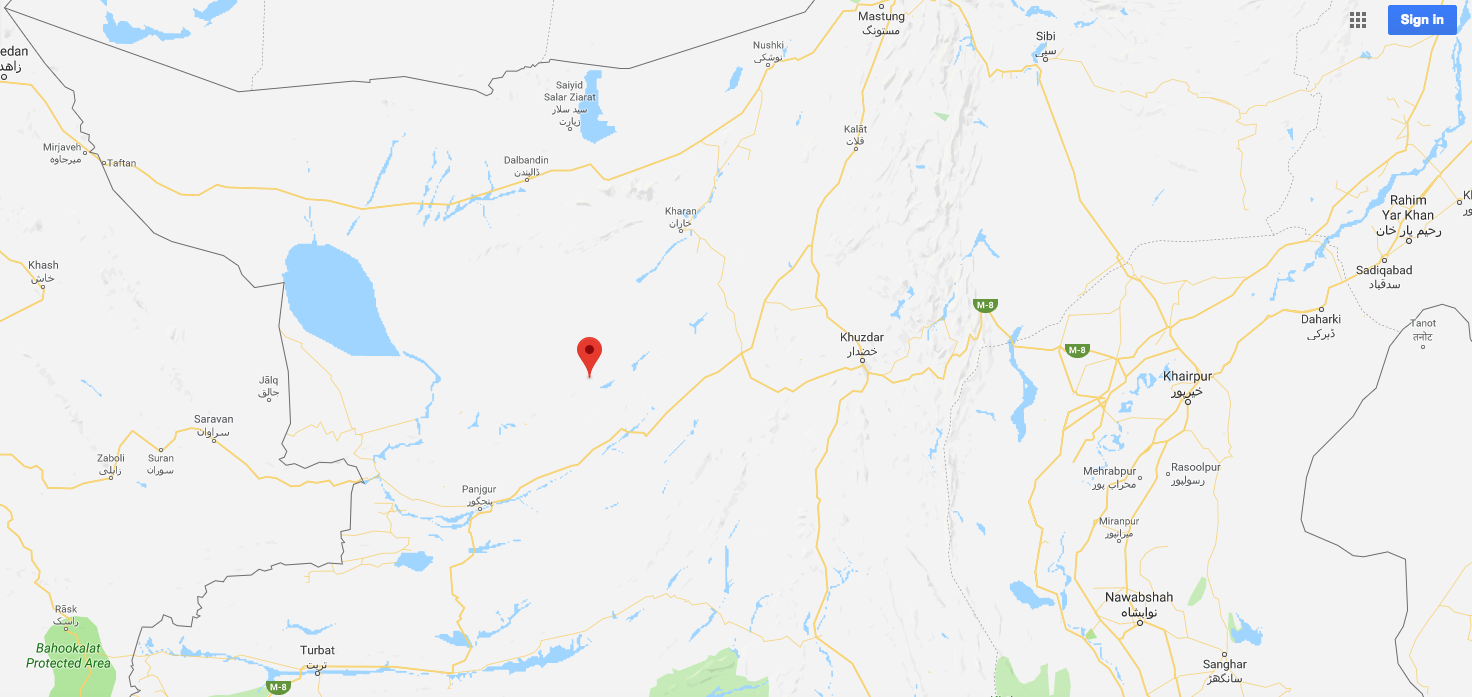
Washuk is a very small town in central
Balochistan, Pakistan. Remote, hot, dusty and very unpleasant in an
“I’m-going-to-get-sick-and-die-here” kind of way.
We
all know that some birds look spectacular. And we all know that some sing like angels.
But did you know that the two usually don’t go together?
Beautifully coloured birds with ostentatious feathery outfits can’t sing worth shit, while small brown jobbies that look like pointy spuds with wings sound wonderful. In short, the prettier the bird, the worse it sings. This is partly intuitive I suppose but now it’s been proven by an in-depth study from the University of Oxford.
A few nights back, my wife and I went to a candidates’ meeting for the looming Vancouver municipal elections. In our neighborhood that means only one thing: A large crowd with an average age close to70 and one of the increasingly rare occasions where I still feel young and mentally on top of things.
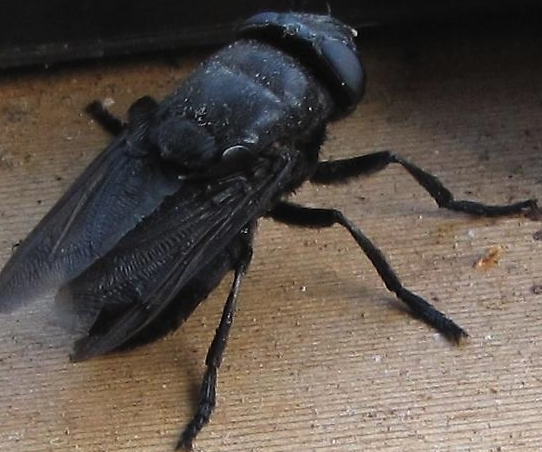
I saw one of these once at a garbage dump near
our cabin. Biggest, dopiest fly I’ve ever seen. It flew slowly round and round
in circles and tried to land on me but missed my arm and smacked into a wall.
Not the smartest of flies.
Will you look after my eggs?
I took a photo of MegaFly because I’d never seen anything like it before in BC. It was close to an inch long and jet black with a fetching steel blue iridescence and massive eyes.
A ten minute search on the internet webpipes threw up the name Wood Rat Botfly. This particular fly leads a charming life, leaving its maggots to feast on live host animals, usually rodents. I’ll let the website bugwood.org explain…
Life History and Habits: Rodent and rabbit bot
flies develop as parasites of mammals. Adult flies lay their eggs near the
entrance of rabbit or rodent burrows or runways and other sites frequented by
their animal hosts. The eggs hatch in response to the warmth of a potential
host and the maggots enter natural openings, such as the nose or mouth. Initial
development usually occurs at these areas but later migrate. Ultimately they
settle under the skin in sites typical of the species (neck, abdomen) and as
they grow they appear as large swellings known as warbles.
The rats and squirrels often die from the ironically
named warbles.
If you’re really really curious, the gorey details are captured in glorious technicolour here. But I wouldn’t recommend clicking the link just before supper or bedtime for that matter.
So now you know. Stay away from garbage dumps
near Pemberton and you won’t get maggots.